Jigsaw Puzzles as a Stress-Relief Tool for Remote Workers
Discover how incorporating jigsaw puzzle micro-breaks into your remote work routine combats digital fatigue, lowers stress, and restores focus.
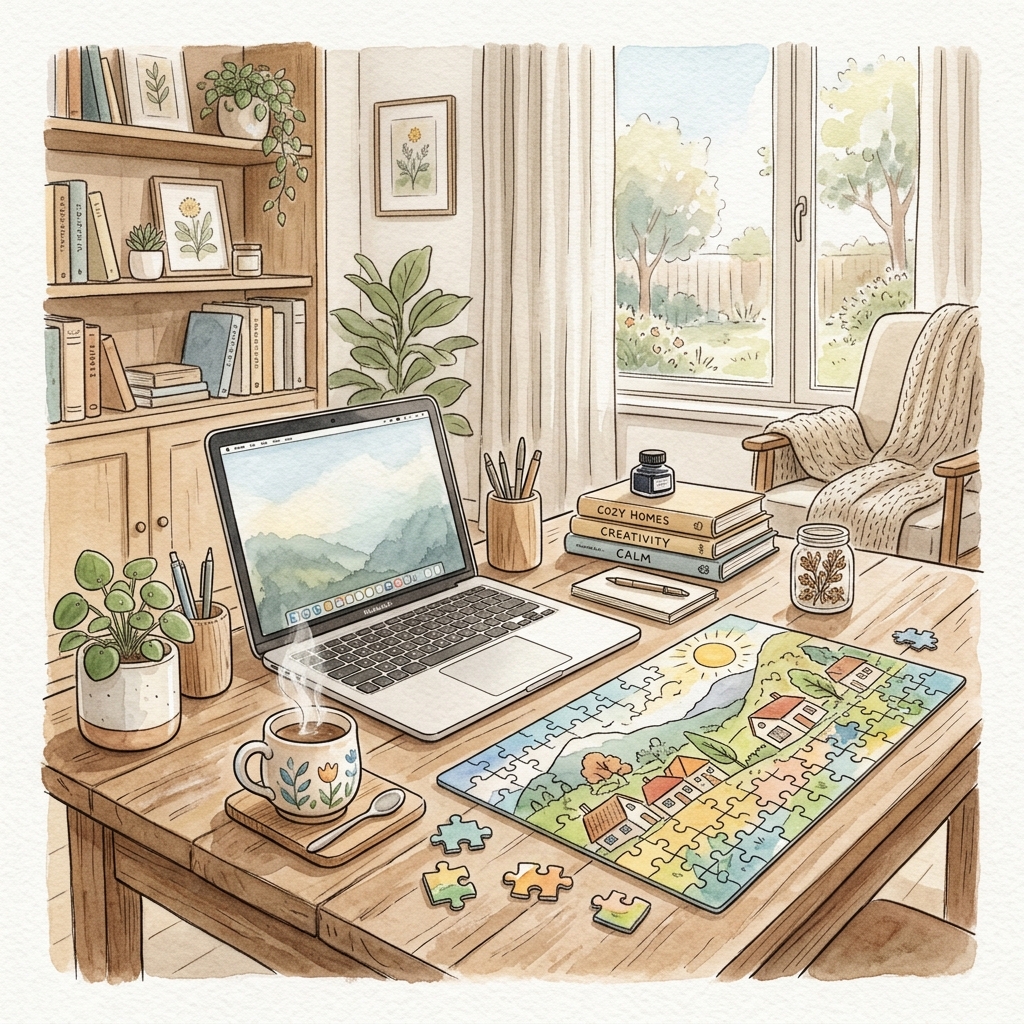
The shift to remote work has offered flexibility and eliminated commutes, but it has also introduced new challenges. Without the physical separation between office and home, many remote workers find themselves trapped in a cycle of continuous connectivity, back-to-back virtual meetings, and screen fatigue.
This overstimulation can lead to cognitive exhaustion, reduced focus, and burn-out. To combat this "digital fatigue," taking structured mental breaks is critical.
Among various wellness activities, jigsaw puzzles stand out as a highly effective, tactile, and mindful micro-break. Spending 10 minutes solving a puzzle on platforms like PlayJigsaw lets you step away from emails, relax your visual system, and return to work with a restored mind.
1. The Science of the "Micro-Break"
In a traditional office, natural breaks occur throughout the day: walking to a meeting, talking with a colleague, or getting coffee. In a remote work setup, these breaks are often replaced by scrolling social media on the same screen you use to work.
However, studies show that "passive scrolling breaks" do not rest the brain. Because social media feeds require quick visual processing and trigger emotional responses, they maintain high cognitive loads.
A true micro-break must engage a completely different mental system. Jigsaw puzzles offer active rest:
- Visual Shift: Instead of reading text and processing notifications, you focus on shapes and colors.
- Structured Challenge: Solving a puzzle is a closed-loop task with a clear goal, satisfying the brain's desire for completion.
- Mental Pause: It requires enough focus to block out work stress, but not enough to cause cognitive fatigue.
2. Combating "Zoom Fatigue" and Eye Strain
Staring at digital faces in video conferences for hours causes computer vision syndrome, leading to headaches, dry eyes, and mental exhaustion.
Optometrists recommend the 20-20-20 rule: every 20 minutes, look at something 20 feet away for 20 seconds.
Taking a 10-minute break to play a physical puzzle, or a clean, minimalist digital puzzle board, offers a similar visual reset. By focusing on distinct visual landmarks rather than flat screen layouts, you allow your eye muscles to relax, reducing fatigue and screen-induced headaches.
3. Rebuilding Attention and Tackling Task Switching
When you constantly switch between Slack, email, and documents, your brain suffers from "attention residue." A portion of your focus remains locked on the previous task, reducing your overall productivity.
Jigsaw puzzles act as a cognitive reset button. Because they require sustained attention on a single, peaceful challenge (like fitting puzzle borders together), they help clear attention residue. Spending a few minutes grouping pieces by color trains the brain to focus on one thing at a time, preparing you to tackle your next work project with deep concentration.
4. Satisfying the Brain's Reward System
Remote work projects can take weeks or months to yield results, which can be draining for your brain's motivation center.
Puzzles offer immediate gratification. Every time you connect a piece, your brain releases a small burst of dopamine. This minor accomplishment satisfies the mind's pattern-recognition system, boosting your mood and providing a sense of progress that can motivate you through tedious work tasks.
Screen Scrolling vs. Puzzle Breaks for Remote Workers
Compare how these two common break choices impact your wellness:
| Break Metric | Social Media/News Scrolling | Jigsaw Puzzle Break |
|---|---|---|
| Cognitive Effect | Extends attention residue | Clears attention residue |
| Visual Health | Increases screen strain | Relaxes focus & resets eye muscles |
| Mood Influence | Can trigger stress or comparison | Releases rewarding dopamine |
| Rest Value | High cognitive load (thin rest) | True mental pause (active rest) |
| Work Transition | Hard to stop (addictive feeds) | Easy to pause mid-game |
How to Integrate Puzzle Breaks Into Your Workday
To experience the wellness benefits without derailing your productivity, set up a structured routine:
- Set a Timer: Limit your puzzle breaks to 10 or 15 minutes. Use a Pomodoro timer (e.g. work for 50 minutes, puzzle for 10 minutes).
- Keep it Accessible:
- If using physical puzzles, set up a small board on a side table.
- If space is limited, keep a digital tab open. Solving a few cozy jigsaw puzzles with warm color palettes and soft layouts can instantly calm a busy mind.
- Choose a Daily Routine: Start your morning with a fresh cup of coffee and a quick, relaxing session on our daily jigsaw puzzles page. It acts as a gentle, screen-friendly warm-up for your visual and logical systems before you open your email.
- Incorporate it into Team Building: Set up a collaborative digital puzzle room during virtual lunch breaks. It encourages casual conversation and builds trust among remote team members in a low-pressure environment.
Ready to Train Your Brain?
Experience the therapeutic focus of jigsaw puzzles. Play our curated daily boards or upload your own photo instantly.